Posted on Leave a comment

Performance Marketing Mastery: Strategies That Actually Convert

Performance Marketing Mastery: Strategies That Actually Convert

Performance Marketing Mastery: Strategies That Actually Convert

Introduction

If your ads are getting clicks but not customers, you’re not alone.

In 2025, brands are spending more than ever on paid campaigns — yet fewer than 40% of marketers say they can directly link performance to ROI.
That’s because performance marketing isn’t just about traffic — it’s about measurable actions that convert.

At Kodo Kompany, we’ve helped businesses across industries — from real estate to e-commerce — turn ads into revenue machines. In this blog, we’ll break down the key strategies that actually drive conversions, not just impressions.

Let’s decode how modern brands can achieve Performance Marketing Mastery in 2025.


1. Define “Performance” Before You Spend a Rupee

Before running a single ad, ask:
👉 What does success mean for your business?

Performance marketing thrives on clarity.
Whether it’s lead generation, app installs, sales, or signups — each campaign should have a defined outcome.

Example:

  • Real Estate Brand → Goal: Qualified site visits

  • E-commerce Store → Goal: Add to Cart conversions

  • SaaS Startup → Goal: Free trial sign-ups

💡 Kodo Tip: Don’t chase “reach.” Chase “return.”
Your performance campaign is only as strong as the clarity of your metrics.


2. Master the Funnel: Awareness → Interest → Decision → Action

Most brands fail because they use the same ad for everyone.

In 2025, successful performance marketers know that different audiences need different messages.

💡 Kodo Insight: Map your funnel. Then, automate retargeting based on user behavior to push audiences to the next stage.


3. Creative Is the New Currency

With attention spans shrinking, your ad creatives must stop the scroll.
That’s why 2025 performance marketers focus on visual storytelling + data-driven testing.

Winning Creative Formula

  • Hook (2–3 seconds): Pose a problem.

  • Story (5–8 seconds): Show how your product solves it.

  • CTA (last 2 seconds): Tell them exactly what to do next.

💡 Example:
A skincare brand ad showing “Before → After in 10 Days” works better than just a static image.

Tools to Use:

  • Canva / Adobe Express – for quick design iterations

  • Pexels + Unsplash – for authentic visuals

  • Kodo’s UGC Framework – for creator-led storytelling

💡 Kodo Tip: Keep 3–5 versions of every ad creative. Test, measure, and scale only what performs — not what looks “pretty.”


4. Data Is the Real Influencer

Performance marketing lives or dies on analytics.

The difference between a good campaign and a great one?
📊 Data-backed decisions.

Metrics That Matter in 2025

  • CTR (Click-Through Rate): How engaging is your ad?

  • CPC (Cost per Click): Are you paying too much for attention?

  • CPA (Cost per Acquisition): What’s your actual cost per conversion?

  • ROAS (Return on Ad Spend): Are you making more than you’re spending?

💡 Kodo Insight:
Tracking without action is just vanity.
Every metric should inform your next optimization — not just fill your report.


5. Retargeting: Where 80% of Sales Actually Happen

Most first-time visitors don’t convert. Retargeting turns “maybe” into “yes.”

How to Do It Right

  1. Segment users (site visitors, form fills, abandoned carts).

  2. Use personalized creatives (“Still thinking about it?”).

  3. Limit retargeting windows (7–14 days max).

  4. Offer value — discounts, free demos, or guides.

💡 Example:
A fitness brand retargeting people who viewed their 7-day challenge video with “Day 1 starts today. Ready?” converts 2.5× higher.

💡 Kodo Tip:
Always exclude converted users from retargeting — or you’ll waste 30% of your ad spend.


6. Multi-Channel Presence = Multi-Source Revenue

The best-performing campaigns don’t rely on one platform.
They synergize Google, Meta, and LinkedIn Ads to build a complete funnel.

💡 Kodo Insight:
Omnichannel marketing doesn’t mean posting everywhere — it means appearing where your customer is ready to act.


7. Landing Pages That Convert, Not Confuse

Even the best ad fails if your landing page doesn’t deliver.

In 2025, landing pages need to be:

  • Mobile-first

  • Fast-loading

  • Minimal yet persuasive

The Conversion Checklist

✅ Clear headline that matches your ad
✅ Trust signals (testimonials, reviews, badges)
✅ 1 clear CTA above the fold
✅ No clutter, no distractions

💡 Example:
Changing a CTA from “Submit” to “Get My Free Report” increased conversions by 32% for one of Kodo’s SaaS clients.

💡 Kodo Tip:
Use tools like Hotjar or Microsoft Clarity to analyze user behavior and reduce drop-offs.


8. Automate or Die: Marketing in the AI Era

AI is transforming performance marketing faster than ever.

At Kodo Kompany, we use AI to:

  • Automate bid optimization

  • Predict ad fatigue before it happens

  • Personalize copy and creative for audience segments

  • A/B test at scale

Tools to Explore:

  • Meta Advantage+ – AI-driven ad distribution

  • Google Ads Scripts – automated bid & budget adjustments

  • ChatGPT + Jasper – for ad copy variants

  • HubSpot / Zoho CRM – for nurturing and remarketing

💡 Kodo Insight:
AI doesn’t replace marketers. It amplifies performance marketers who think strategically.


9. Budget Smarter, Not Harder

Throwing money at ads doesn’t guarantee conversions.
Instead, distribute your spend like a portfolio.

Kodo’s 70/20/10 Budget Rule:

  • 70% → Proven campaigns

  • 20% → Testing new ideas or creatives

  • 10% → Experimental platforms (Threads, Quora, Reddit)

💡 Example:
Our client reallocated 10% of their Instagram budget to YouTube Shorts — and doubled engagement within 14 days.

💡 Kodo Tip:
Start small, scale fast. Always increase budgets on what’s performing — not what’s trending.


10. Measure Beyond Clicks: Build Lifetime Value

Great performance marketing doesn’t end with one conversion.
It’s about repeat engagement and lifetime customer value (LTV).

Post-Conversion Tactics

  • Email automation to re-engage customers

  • WhatsApp retargeting for reminders

  • Referral programs to encourage word-of-mouth

  • Loyalty offers for existing customers

💡 Kodo Insight:
The real conversion isn’t the first purchase — it’s the second one.


Conclusion: Performance Marketing is Precision + Psychology

In 2025, mastering performance marketing means combining data precision with human psychology.
It’s not just about targeting — it’s about understanding motivation.

The brands that win are those that:
✅ Treat every campaign as an experiment
✅ Focus on clarity, not complexity
✅ Use AI to scale, not spam

At Kodo Kompany, we help businesses turn ad spend into sustainable growth — through creativity, conversion science, and continuous optimization.

Because when performance meets precision — marketing becomes magic.
Posted on Leave a comment

Content Distribution Mastery: 2025 Multi-Channel Amplification Framework

Content Distribution Mastery: 2025 Multi-Channel Amplification Framework

Content Distribution Mastery: 2025 Multi-Channel Amplification Framework

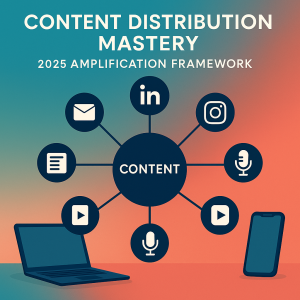
In today’s digital landscape, the sheer volume of content available can be overwhelming. As marketers, we face the challenge of ensuring our messages cut through the noise and reach our target audiences effectively. The key to achieving this lies in mastering a robust content distribution strategy that leverages multiple channels. This article will explore the essential components of a successful multi-channel distribution framework for 2025, focusing on cross-platform syndication, content atomization, and reach optimization.

Understanding the Importance of Multi-Channel Distribution

The Changing Landscape of Content Consumption

The way consumers engage with content has evolved dramatically. Gone are the days when a single blog post or social media update could suffice. Today, audiences are spread across various platforms, each with unique characteristics and user behaviors. To effectively connect with our audience, we must be present where they are, whether that’s on social media, email, podcasts, or other digital touchpoints.

The Need for Strategic Distribution

Simply creating high-quality content is not enough. We must also focus on how we distribute that content. A well-crafted distribution strategy ensures that our messages reach the right people at the right time. This involves understanding the nuances of each platform and tailoring our approach accordingly.

Content Distribution Mastery: 2025 Multi-Channel Amplification Framework

Benefits of a Multi-Channel Approach

Adopting a multi-channel distribution strategy offers several advantages:

  • Increased Visibility: By being present on multiple platforms, we enhance our chances of being discovered by potential customers.
  • Enhanced Engagement: Different platforms cater to different audience preferences. By diversifying our content formats, we can engage users more effectively.
  • Improved Brand Credibility: A consistent presence across various channels builds trust and authority in our brand.

Key Components of a Successful Content Distribution Strategy

1. Audience Understanding

To create an effective distribution strategy, we must first understand our audience. This involves:

  • Creating Detailed Buyer Personas: Identify who our target customers are, their preferences, and where they spend their time online.
  • Utilizing Analytics Tools: Leverage tools like Google Analytics and social media insights to gather data on audience behavior and engagement patterns.

2. Content Atomization

Content atomization refers to breaking down larger pieces of content into smaller, more digestible formats. This allows us to maximize the reach of our content across various platforms. Here’s how to implement it:

  • Identify Core Content: Start with a comprehensive piece, such as a blog post or whitepaper.
  • Create Multiple Formats: Transform the core content into various formats, such as infographics, videos, social media posts, and podcasts.
  • Distribute Across Channels: Share these formats on the platforms where your audience is most active.

3. Cross-Platform Syndication

Cross-platform syndication involves sharing content across multiple channels to increase visibility. This can be achieved through:

  • Social Media Sharing: Post content on platforms like Facebook, Twitter, LinkedIn, and Instagram, tailoring the message for each audience.
  • Email Marketing: Use newsletters to share valuable content and drive traffic back to your website.
  • Partnerships and Collaborations: Collaborate with influencers or other brands to reach new audiences through guest posts or co-created content.

4. Reach Optimization

To ensure our content reaches the intended audience, we must optimize our distribution efforts. This includes:

  • SEO Best Practices: Implementing SEO strategies to improve organic visibility on search engines.
  • Paid Advertising: Utilizing targeted ads on social media and search engines to amplify reach.
  • Timing and Frequency: Analyzing data to determine the best times to post content for maximum engagement.

Crafting a Multi-Channel Distribution Plan

Step 1: Set Clear Goals

Before diving into distribution, we must establish clear, measurable goals. These could include:

  • Increasing website traffic by a certain percentage.
  • Growing social media followers or engagement rates.
  • Generating leads through email sign-ups or downloads.

Step 2: Identify Key Channels

Based on our audience research, we should identify the most effective channels for distribution. This may include:

  • Social Media Platforms: Determine which platforms align with our audience demographics.
  • Email Marketing: Segment our email list to tailor messages for different audience groups.
  • Content Sharing Sites: Explore platforms like Medium or LinkedIn for additional exposure.

Step 3: Create a Content Calendar

A content calendar helps us plan and organize our distribution efforts. It should include:

  • Content Types: Specify what types of content will be shared on each platform.
  • Posting Schedule: Outline when and how often content will be posted.
  • Performance Metrics: Define how success will be measured for each piece of content.

Step 4: Monitor and Adjust

Once our distribution plan is in motion, we must continuously monitor its performance. This involves:

  • Analyzing Engagement Metrics: Track likes, shares, comments, and click-through rates to gauge effectiveness.
  • A/B Testing: Experiment with different content formats, headlines, and posting times to optimize results.
  • Adjusting Strategies: Be prepared to pivot based on what the data reveals about audience preferences.

Overcoming Common Challenges in Multi-Channel Distribution

1. Content Overload

With so much content available, it can be challenging to stand out. To combat this, we should focus on:

  • Quality Over Quantity: Prioritize creating high-quality, valuable content that resonates with our audience.
  • Unique Value Proposition: Clearly communicate what sets our content apart from competitors.

2. Platform-Specific Nuances

Each platform has its own rules and best practices. To navigate this, we should:

  • Tailor Content for Each Platform: Adapt our messaging and format to suit the unique characteristics of each channel.
  • Stay Updated on Trends: Regularly research platform updates and trends to ensure our strategies remain relevant.

3. Resource Limitations

Many businesses face resource constraints when it comes to content creation and distribution. To address this, we can:

  • Repurpose Existing Content: Maximize the value of our current content by repurposing it for different formats and channels.
  • Leverage Automation Tools: Utilize tools for scheduling posts and analyzing performance to streamline efforts.

Conclusion: Embracing the Future of Content Distribution

As we move into 2025, mastering a multi-channel content distribution strategy will be essential for success. By understanding our audience, leveraging content atomization, and optimizing our reach through cross-platform syndication, we can ensure our messages resonate with the right people at the right time.

The digital landscape is ever-evolving, and staying ahead requires adaptability and a commitment to continuous learning. By implementing the strategies outlined in this article, we can build a robust content distribution framework that not only enhances visibility but also fosters meaningful connections with our audience.

Are you ready to elevate your content distribution strategy? Let’s embrace the future together and make our mark in the digital world!