Posted on Leave a comment

When to Use Short-Form vs Long-Form Videos: The 2025 Brand Playbook

When to Use Short-Form vs Long-Form Videos: The 2025 Brand Playbook

When to Use Short-Form vs Long-Form Videos: The 2025 Brand Playbook

In the rapidly evolving landscape of digital marketing, understanding the nuances between short-form and long-form video content is crucial for brands aiming to maximize their reach and engagement. As we step into 2025, the strategies surrounding video marketing are becoming increasingly sophisticated, with businesses needing to adapt to the changing preferences of their audiences. This guide will explore when to utilize short-form versus long-form videos, providing insights and actionable strategies to enhance your video marketing efforts.

7 Best Short Form Video Examples That Boost Marketing in 2024


The Rise of Video Marketing in 2025

Video marketing has become a cornerstone of digital strategies, with platforms like TikTok, Instagram Reels, and YouTube Shorts leading the charge. The statistics are compelling: a significant percentage of consumers engage with video content daily, making it essential for brands to harness this medium effectively.

Why Video Matters

  • Engagement: Video content captures attention more effectively than static images or text. Viewers are more likely to remember a brand after watching a video.
  • Conversion Rates: Studies indicate that video marketing can lead to higher conversion rates, as potential customers are more inclined to purchase after viewing a product demonstration.
  • SEO Benefits: Video content can improve search engine rankings, as search engines prioritize engaging content that keeps users on the page longer.

Understanding Short-Form Video Content

Short-form videos, typically lasting between 5 to 90 seconds, are designed for quick consumption. They are particularly effective in capturing attention and driving immediate engagement.

Characteristics of Short-Form Videos

  • Brevity: These videos deliver concise messages, making them ideal for social media platforms where users scroll quickly.
  • High Shareability: Their engaging nature encourages viewers to share content, increasing brand visibility.
  • Cost-Effective Production: Short-form videos often require fewer resources to produce, allowing brands to experiment with various ideas without significant investment.

Best Practices for Short-Form Videos

  1. Hook Viewers Quickly: The first few seconds are critical. Start with an eye-catching visual or a compelling question to draw viewers in.
  2. Focus on Value: Provide immediate value, whether through entertainment, education, or problem-solving.
  3. Utilize Trends: Participate in trending challenges or themes to increase visibility and engagement.

The Power of Long-Form Video Content

Long-form videos, exceeding 10 minutes, allow for deeper storytelling and more comprehensive information sharing. They are particularly effective for building trust and authority.

Characteristics of Long-Form Videos

  • In-Depth Exploration: These videos can delve into complex topics, providing viewers with detailed insights and information.
  • Enhanced Viewer Retention: Audiences are more likely to engage with longer content when it is informative and well-structured.
  • SEO Advantages: Longer videos can improve search rankings, as they often keep viewers engaged for extended periods.

Best Practices for Long-Form Videos

  1. Structure Your Content: Use a clear narrative arc to guide viewers through the information. Start with an introduction, followed by the main content, and conclude with a summary or call to action.
  2. Engage with Storytelling: Incorporate storytelling techniques to make the content relatable and memorable.
  3. Include Visual Aids: Use graphics, charts, and other visual elements to enhance understanding and retention.

Matching Video Length to Marketing Goals

Understanding when to use short-form versus long-form videos depends on your marketing objectives and the stage of the customer journey.

Top of Funnel: Awareness

At the awareness stage, short-form videos are ideal for capturing attention and generating interest. These videos can introduce your brand, highlight key products, or share quick tips.

  • Example: A fitness brand might create a 30-second video showcasing a new workout routine, encouraging viewers to try it out.

Mid Funnel: Consideration

As potential customers move into the consideration phase, long-form videos become more valuable. These videos can provide in-depth information about products or services, helping to build trust and authority.

  • Example: A SaaS company could produce a detailed webinar explaining how their software solves specific industry challenges.

Bottom Funnel: Decision

At the decision stage, a mix of both formats can be effective. Short-form videos can serve as reminders or testimonials, while long-form content can address objections and provide case studies.

  • Example: A real estate agency might share quick testimonials from satisfied clients alongside a comprehensive video tour of a property.

The Hybrid Approach: Combining Formats

Rather than choosing one format over the other, successful brands are integrating both short-form and long-form videos into their strategies. This hybrid approach allows for maximum reach and engagement.

Strategies for Integration

  • Repurpose Content: Take segments from long-form videos and create short clips for social media. This not only extends the life of your content but also caters to different audience preferences.
  • Cross-Promotion: Use short-form videos to tease longer content, directing viewers to your website or YouTube channel for more in-depth information.
  • Analytics-Driven Decisions: Monitor performance metrics to understand which formats resonate best with your audience and adjust your strategy accordingly.

Industry-Specific Examples

Different industries can leverage short-form and long-form videos in unique ways to achieve their marketing goals.

Real Estate

  • Short-Form: Quick property highlights or neighborhood tours can attract potential buyers.
  • Long-Form: Detailed walkthroughs of properties or market analysis videos can help build trust with clients.

Fitness

  • Short-Form: Quick workout tips or challenges can engage viewers and encourage sharing.
  • Long-Form: In-depth training programs or nutrition guides can establish authority in the fitness space.

SaaS

  • Short-Form: Quick demos of software features can capture interest.
  • Long-Form: Comprehensive tutorials or case studies can help potential customers understand the value of the software.

Measuring Success: Key Metrics

To evaluate the effectiveness of your video marketing strategy, it’s essential to track relevant metrics.

Short-Form Video Metrics

  • Engagement Rate: Monitor likes, shares, and comments to gauge viewer interest.
  • Completion Rate: Track how many viewers watch the entire video to assess content effectiveness.

Long-Form Video Metrics

  • Watch Time: Measure how long viewers stay engaged with your content.
  • Conversion Rate: Analyze how many viewers take action after watching, such as signing up for a newsletter or making a purchase.

The Future of Video Marketing

As we look ahead to 2025 and beyond, video marketing will continue to evolve. Brands must stay agile and adapt to emerging trends and technologies.

Emerging Trends to Watch

  • AI-Driven Content Creation: Tools that leverage artificial intelligence will streamline video production, making it easier for brands to create high-quality content quickly.
  • Interactive Video Experiences: Engaging viewers through interactive elements will enhance user experience and drive deeper connections.
  • Shoppable Videos: Integrating e-commerce features directly into videos will simplify the purchasing process for consumers.

Conclusion

In the dynamic world of video marketing, understanding when to use short-form versus long-form videos is essential for brands looking to thrive in 2025. By aligning video content with marketing goals and audience preferences, businesses can enhance engagement, build trust, and drive conversions.

Let Kodo design your video content funnel, ensuring that your brand stands out in the crowded digital landscape. Embrace the power of video marketing today to secure your place in the future of digital engagement.

Posted on Leave a comment

Local SEO 2025 Checklist: Rank #1 for Your Small Business

 Local SEO 2025 Checklist: Rank #1 for Your Small Business

Local SEO 2025 Checklist: 12 Steps to Make Your Small Business Rank #1

In today’s digital landscape, local SEO is more crucial than ever for small businesses aiming to attract nearby customers. With the right strategies, you can enhance your visibility in local search results, ensuring that your business stands out when potential customers are searching for services like yours. This comprehensive checklist outlines 12 essential steps to optimize your local SEO efforts in 2025, helping you rank higher and connect with your community effectively.


1. Optimize Your Google Business Profile

Your Google Business Profile (GBP) is the cornerstone of local SEO. This free tool allows businesses to manage their online presence across Google, including Search and Maps.

Why It Matters

  • Visibility: A well-optimized GBP increases your chances of appearing in local search results and Google Maps.
  • Credibility: A verified profile enhances your business’s trustworthiness in the eyes of potential customers.

Action Steps

  • Claim Your Profile: If you haven’t already, claim your business on Google.
  • Complete Your Information: Fill out all relevant details, including your business name, address, phone number, and website.
  • Add Photos: High-quality images of your business can attract more customers.
  • Post Regular Updates: Share news, offers, and events to keep your audience engaged.

Checklist for GBP Optimization:

  • Claim and verify your GBP
  • Complete all business information
  • Upload high-quality images
  • Regularly post updates and offers

2. Manage Online Reviews

Online reviews significantly impact your local search rankings and customer trust.

Why It Matters

  • Social Proof: Positive reviews can influence potential customers’ decisions.
  • SEO Boost: Google considers the quantity and quality of reviews when ranking businesses.

Action Steps

  • Encourage Reviews: Ask satisfied customers to leave reviews on your GBP and other platforms.
  • Respond to Reviews: Engage with customers by responding to their feedback, both positive and negative.
  • Monitor Your Reputation: Use tools to track your reviews across different platforms.

Checklist for Review Management:

  • Encourage customers to leave reviews
  • Respond to all reviews promptly
  • Monitor your online reputation

3. Build Local Citations

Citations are online mentions of your business’s name, address, and phone number (NAP). They help improve your local search visibility.

Why It Matters

  • Consistency: Accurate citations across various platforms enhance your credibility.
  • SEO Ranking: More citations can lead to higher rankings in local search results.

Action Steps

  • List Your Business: Ensure your business is listed on major directories like Yelp, Bing Places, and Apple Maps.
  • Maintain Consistency: Keep your NAP information consistent across all platforms.
  • Audit Existing Citations: Regularly check for inaccuracies and update them as needed.

Checklist for Citation Building:

  • List your business on major directories
  • Ensure NAP consistency
  • Audit existing citations regularly

4. Acquire Local Backlinks

Backlinks from reputable local websites can significantly boost your SEO efforts.

Why It Matters

  • Authority: Quality backlinks signal to search engines that your business is credible.
  • Traffic: Local backlinks can drive targeted traffic to your website.

Action Steps

  • Network Locally: Engage with local businesses and organizations to create partnership opportunities.
  • Sponsor Events: Consider sponsoring local events or charities to earn backlinks from their websites.
  • Create Valuable Content: Write guest posts for local blogs or news sites that link back to your website.

Checklist for Local Backlink Acquisition:

  • Network with local businesses
  • Sponsor local events
  • Create guest posts for local blogs

5. Enhance Your Website’s Mobile Experience

With the increasing use of mobile devices for local searches, optimizing your website for mobile is essential.

Why It Matters

  • User Experience: A mobile-friendly site improves user experience, reducing bounce rates.
  • SEO Ranking: Google prioritizes mobile-friendly websites in search results.

Action Steps

  • Responsive Design: Ensure your website is responsive and adapts to different screen sizes.
  • Fast Loading Times: Optimize images and reduce unnecessary scripts to improve loading speed.
  • Easy Navigation: Simplify your website’s navigation for mobile users.

Checklist for Mobile Optimization:

  • Implement responsive design
  • Optimize loading times
  • Simplify navigation

6. Utilize Local Keyword Optimization

Targeting local keywords is vital for improving your search visibility.

Why It Matters

  • Relevance: Local keywords help you connect with customers searching for services in your area.
  • Traffic: Optimizing for local search terms can drive more targeted traffic to your website.

Action Steps

  • Keyword Research: Use tools like Google Keyword Planner to identify relevant local keywords.
  • Incorporate Keywords: Use these keywords naturally in your website content, titles, and meta descriptions.
  • Create Location-Specific Content: Develop content that addresses local events, news, or topics relevant to your audience.

Checklist for Local Keyword Optimization:

  • Conduct keyword research
  • Incorporate keywords into your content
  • Create location-specific content

7. Implement Structured Data Markup

Structured data helps search engines understand your website’s content better.

Why It Matters

  • Rich Snippets: Properly implemented structured data can enhance your search listings with rich snippets.
  • Improved Visibility: It can help your business stand out in search results.

Action Steps

  • Use Schema Markup: Implement local business schema markup on your website.
  • Test Your Markup: Use Google’s Structured Data Testing Tool to ensure your markup is correct.
  • Monitor Performance: Keep an eye on how your structured data impacts your search visibility.

Checklist for Structured Data Implementation:

  • Implement local business schema markup
  • Test your markup for accuracy
  • Monitor performance in search results

8. Optimize Metadata and H1 Tags

Optimizing your website’s metadata and H1 tags is a straightforward way to improve your SEO.

Why It Matters

  • Search Engine Clarity: Well-optimized metadata helps search engines understand your content.
  • Click-Through Rates: Engaging titles and descriptions can improve your click-through rates.

Action Steps

  • Craft Compelling Titles: Ensure your title tags are descriptive and include relevant keywords.
  • Write Engaging Meta Descriptions: Create concise meta descriptions that encourage clicks.
  • Use H1 Tags Effectively: Ensure each page has a unique H1 tag that reflects the content.

Checklist for Metadata Optimization:

  • Optimize title tags with keywords
  • Write engaging meta descriptions
  • Use unique H1 tags for each page

9. Create Location-Specific Landing Pages

Dedicated landing pages for different locations can enhance your local SEO efforts.

Why It Matters

  • Targeted Content: Location-specific pages allow you to tailor content to specific audiences.
  • Higher Rankings: These pages can rank for local search terms more effectively.

Action Steps

  • Identify Key Locations: Determine which locations are most relevant to your business.
  • Develop Unique Content: Create content that speaks directly to the audience in each location.
  • Include Local Keywords: Optimize these pages with local keywords to improve visibility.

Checklist for Location-Specific Landing Pages:

  • Identify key locations for landing pages
  • Develop unique content for each page
  • Optimize with local keywords

10. Monitor Your Local SEO Performance

Regularly tracking your local SEO performance is essential for ongoing success.

Why It Matters

  • Data-Driven Decisions: Monitoring allows you to make informed adjustments to your strategy.
  • Identify Opportunities: Regular analysis can reveal new opportunities for improvement.

Action Steps

  • Use Analytics Tools: Implement tools like Google Analytics and Google Search Console to track performance.
  • Set Key Metrics: Identify key performance indicators (KPIs) to measure your success.
  • Adjust Strategies: Use the data to refine your local SEO strategies as needed.

Checklist for Performance Monitoring:

  • Implement analytics tools
  • Set key performance indicators
  • Adjust strategies based on data

11. Engage in Hyperlocal Marketing

Hyperlocal marketing focuses on targeting customers in a specific geographic area.

Why It Matters

  • Community Connection: Engaging with your local community can enhance brand loyalty.
  • Targeted Outreach: Hyperlocal marketing allows for more precise targeting of potential customers.

Action Steps

  • Participate in Local Events: Get involved in community events to raise awareness of your business.
  • Leverage Social Media: Use platforms like Facebook and Instagram to connect with local audiences.
  • Create Local Content: Share content that highlights local events, news, or community stories.

Checklist for Hyperlocal Marketing:

  • Participate in local events
  • Leverage social media for local engagement
  • Create content that highlights local stories

12. Foster Social Proof

Social proof, such as testimonials and case studies, can significantly influence potential customers.

Why It Matters

  • Trust Building: Positive testimonials can enhance your business’s credibility.
  • Increased Conversions: Social proof can lead to higher conversion rates.

Action Steps

  • Collect Testimonials: Ask satisfied customers for testimonials to showcase on your website.
  • Share Case Studies: Highlight successful projects or customer stories to demonstrate your expertise.
  • Engage on Social Media: Share positive feedback and testimonials on your social media channels.

Checklist for Social Proof:

  • Collect and display customer testimonials
  • Share case studies on your website
  • Engage with positive feedback on social media

Conclusion

By following this comprehensive local SEO checklist, you can significantly enhance your small business’s visibility in local search results. Each step is designed to build upon the last, creating a robust strategy that connects you with your community and drives more customers to your door. Remember, local SEO is an ongoing process, so regularly revisit these strategies to ensure your business remains competitive in the ever-evolving digital landscape. Take action today, and watch your local search rankings soar!

Posted on Leave a comment

Arattai App: India’s Privacy-First Chat Revolution

Arattai App: India’s Privacy-First Chat Revolution

Arattai: India’s Bold Answer to WhatsApp in 2025

In a rapidly evolving digital landscape, the quest for a messaging platform that prioritizes user privacy and local relevance has become increasingly significant. As concerns about data privacy and the dominance of Western tech giants grow, Indian users are seeking alternatives that resonate with their cultural and technological needs. Enter Arattai by Zoho, a homegrown messaging app that aims to challenge the supremacy of WhatsApp in India. With its unique features and a strong push for digital sovereignty, Arattai is positioning itself as a viable alternative for millions of users.

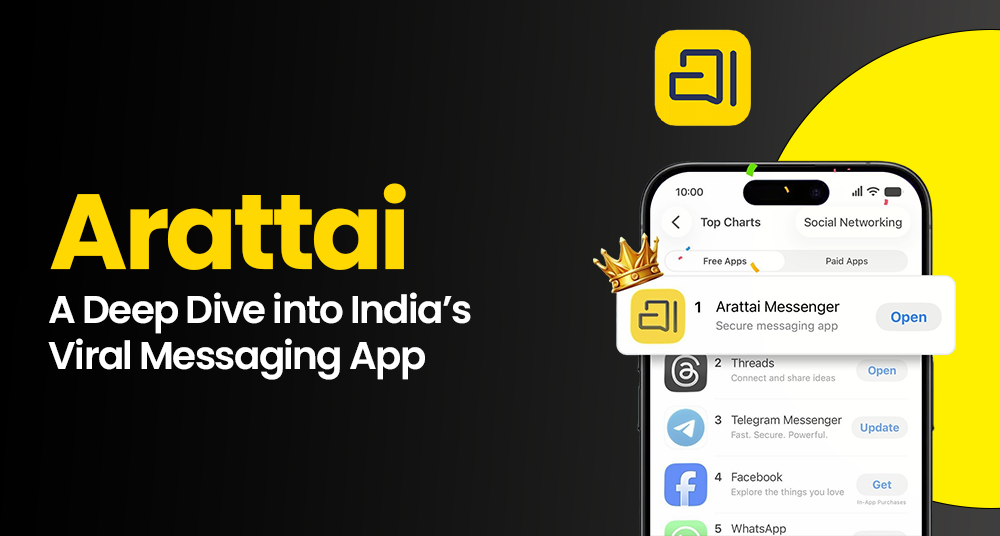
All About Arattai: India's Fast-Growing Viral Messaging App


The Rise of Arattai

A Surge in Popularity

Launched in 2021, Arattai initially struggled to gain traction. However, a recent surge in downloads has catapulted it into the spotlight, with reports indicating over seven million downloads in just a week. This remarkable growth can be attributed to a combination of government advocacy for local products and a growing desire among users to support Indian-made applications. The app’s name, which translates to “banter” in Tamil, reflects its focus on fostering communication and connection among users.

Government Support and National Sentiment

The Indian government’s push for self-reliance, particularly in the tech sector, has played a crucial role in Arattai’s rise. Prime Minister Narendra Modi’s “Make in India” initiative has encouraged citizens to embrace homegrown solutions. Federal ministers have actively promoted Arattai, urging citizens to choose Indian apps for their communication needs. This sentiment has resonated with many users, who are eager to support local innovations.

Unique Features of Arattai

User-Friendly Interface

Arattai boasts a user-friendly interface that mirrors the simplicity and functionality of WhatsApp. Users can send messages, make voice and video calls, and share multimedia content seamlessly. The app is designed to cater to a diverse audience, ensuring that even those with low-end devices can enjoy a smooth experience.

Privacy and Security

One of the most significant concerns surrounding messaging apps is data privacy. While Arattai currently offers end-to-end encryption for voice and video calls, it is still working on extending this feature to text messages. This commitment to user privacy is crucial, especially in a landscape where data breaches and privacy violations are rampant. The company has expressed its intention to roll out full end-to-end encryption soon, addressing user concerns and enhancing trust.

Innovative Features for 2025

As Arattai looks toward the future, it is set to introduce several innovative features that will enhance user experience. Among these is the Pocket feature, which allows users to save important messages and media for easy access later. Additionally, an Android TV app is in the works, enabling users to connect with friends and family through their television screens. These features aim to create a more integrated and versatile communication experience.

The Competitive Landscape

WhatsApp’s Dominance

Despite Arattai’s promising features and rapid growth, it faces an uphill battle against WhatsApp, which boasts over 500 million monthly active users in India alone. WhatsApp has become ingrained in the daily lives of millions, serving as a platform for personal communication, business transactions, and community engagement. The challenge for Arattai will be not only to attract new users but also to retain them in a market dominated by a well-established competitor.

The Role of Interoperability

A significant factor in the success of any messaging app is interoperability—the ability to communicate across different platforms. Unlike email, where users can easily exchange messages regardless of their service provider, messaging apps often create walled gardens. Users are typically locked into a single platform, making it difficult to switch without losing contact with friends and family. Advocates for Arattai argue that fostering interoperability could enhance user experience and encourage more people to explore alternatives to WhatsApp.

Challenges Ahead

Data Privacy Concerns

While Arattai is making strides in privacy, concerns remain about its data handling practices. The Indian government has stringent regulations regarding data sharing, which could pose challenges for the app’s commitment to user privacy. Experts have raised questions about how Arattai will navigate these regulations while maintaining user trust. Transparency in data handling and a clear privacy policy will be essential for building confidence among users.

User Retention Strategies

Attracting users is only half the battle; retaining them is equally crucial. Arattai must focus on creating a compelling user experience that keeps users engaged. This includes regular updates, new features, and responsive customer support. Additionally, fostering a sense of community among users can enhance loyalty and encourage word-of-mouth promotion.

The Broader Impact on Digital Sovereignty

A Step Towards Self-Reliance

Arattai’s emergence is part of a larger movement toward digital sovereignty in India. As users become more aware of the implications of relying on foreign tech giants, there is a growing demand for local alternatives that prioritize user needs and preferences. By supporting Arattai, users are not only choosing a messaging app but also contributing to the development of a robust digital ecosystem in India.

Empowering Local Developers

The success of Arattai could pave the way for other Indian tech startups to flourish. As more users embrace local solutions, it creates an environment conducive to innovation and entrepreneurship. This shift could lead to the development of a diverse range of applications that cater to various needs, ultimately benefiting consumers and the economy.

Conclusion

Arattai by Zoho represents a significant step forward in India’s quest for a privacy-first chat alternative. With its unique features, government support, and commitment to user privacy, it has the potential to carve out a niche in a competitive market dominated by WhatsApp. However, challenges remain, particularly in terms of data privacy and user retention. As we move toward 2025, the success of Arattai will not only depend on its ability to attract users but also on its capacity to foster a sense of community and trust among them. In doing so, it could play a pivotal role in shaping India’s digital future and promoting a more self-reliant tech ecosystem.

Posted on Leave a comment

Interactive Email Campaigns: Boost CTR with Personalization

Interactive Email Campaigns: Boost CTR with Personalization

Interactive Email Campaigns: Boost CTR with Personalization

In the ever-evolving landscape of digital marketing, email remains a powerful tool for businesses to connect with their audience. As we approach 2025, the emphasis on personalization in email marketing is more critical than ever. With consumers expecting tailored experiences, marketers must leverage innovative strategies to enhance engagement and drive conversions. This article explores how interactive email campaigns, combined with personalization, can significantly boost click-through rates (CTR) and overall email performance.

14 Effective Email Marketing Campaigns

Understanding Interactive Email Campaigns

Interactive email campaigns are designed to engage recipients directly within their inboxes. Unlike traditional static emails, which often require users to click through to a website for further action, interactive emails allow users to engage with content without leaving their email client. This can include features such as polls, quizzes, carousels, and even embedded forms.

Benefits of Interactive Emails

  1. Enhanced Engagement: Interactive elements capture attention and encourage users to participate, leading to higher engagement rates.
  2. Reduced Friction: By allowing actions to be completed within the email, the user experience is streamlined, reducing the likelihood of drop-offs.
  3. Real-Time Data Collection: Marketers can gather valuable insights directly from user interactions, enabling more informed decision-making.

Key Metrics to Track

To measure the success of interactive email campaigns, marketers should focus on several key performance indicators (KPIs):

  • Click-Through Rate (CTR): The percentage of recipients who click on one or more links in the email.
  • Conversion Rate: The percentage of users who complete a desired action, such as making a purchase or signing up for a newsletter.
  • Engagement Rate: A measure of how actively recipients interact with the email content.

The Power of Personalization

Personalization in email marketing involves tailoring content to meet the specific needs and preferences of individual recipients. This can range from using a subscriber’s name in the subject line to delivering product recommendations based on past purchases.

Why Personalization Matters

  1. Increased Relevance: Personalized emails resonate more with recipients, making them feel valued and understood.
  2. Higher Open Rates: Emails with personalized subject lines have been shown to achieve significantly higher open rates.
  3. Improved Customer Loyalty: When customers feel recognized, they are more likely to engage with the brand and make repeat purchases.

Techniques for Effective Personalization

  • Dynamic Content: Use data to change email content based on user behavior, preferences, or demographics.
  • Segmentation: Divide your email list into smaller groups based on shared characteristics to send more targeted messages.
  • Behavioral Triggers: Set up automated emails that respond to specific actions taken by users, such as cart abandonment or browsing history.

Combining Interactivity and Personalization

The integration of interactive elements with personalized content can create a powerful email marketing strategy. By combining these two approaches, marketers can significantly enhance user engagement and drive conversions.

Examples of Interactive Personalization

  1. Personalized Product Recommendations: Use interactive carousels to showcase products tailored to the recipient’s past purchases or browsing behavior.
  2. Dynamic Surveys: Embed surveys that adapt based on user responses, allowing for a more personalized feedback experience.
  3. Gamified Elements: Incorporate interactive games or quizzes that offer personalized rewards or discounts based on user input.

Case Study: Successful Implementation

A leading e-commerce brand implemented interactive email campaigns featuring personalized product recommendations and gamified elements. By using dynamic content, they achieved a 30% increase in CTR and a 20% boost in conversions compared to their previous static email campaigns. This success underscores the potential of combining interactivity with personalization.

Best Practices for Interactive Email Campaigns

To maximize the effectiveness of interactive email campaigns, marketers should adhere to several best practices:

1. Optimize for Mobile

With a significant portion of emails opened on mobile devices, ensure that interactive elements are mobile-friendly. Use responsive design techniques to guarantee a seamless experience across all devices.

2. Test and Validate

Before launching an interactive email campaign, conduct thorough testing to ensure that all elements function correctly across various email clients. Use tools like Litmus or Email on Acid to preview how emails will appear in different environments.

3. Provide Fallback Options

Not all email clients support interactive elements. Always include a static fallback version of your email to ensure that recipients can still access essential information and calls to action.

4. Monitor Performance Metrics

Utilize advanced analytics tools to track the performance of your interactive emails. Pay attention to engagement metrics, conversion rates, and user feedback to refine future campaigns.

The Role of AI in Email Personalization

As we move into 2025, AI-powered campaigns are set to revolutionize email marketing. By leveraging machine learning algorithms, marketers can analyze vast amounts of data to deliver hyper-personalized content at scale.

Benefits of AI-Powered Personalization

  1. Predictive Analytics: AI can forecast customer behavior based on historical data, allowing for more accurate targeting.
  2. Automated Segmentation: Machine learning can identify patterns in user behavior, enabling dynamic segmentation without manual intervention.
  3. Real-Time Content Optimization: AI can adjust email content in real-time based on user interactions, ensuring maximum relevance.

Implementing AI in Email Campaigns

To harness the power of AI in email marketing, consider the following steps:

  • Invest in AI Tools: Utilize platforms that offer AI-driven analytics and personalization features.
  • Integrate Data Sources: Combine data from various channels, such as social media and website interactions, to create a comprehensive view of customer behavior.
  • Continuously Optimize: Use AI insights to refine your email strategies, ensuring that content remains relevant and engaging.

Email Segmentation Tips for Enhanced Personalization

Effective email segmentation is crucial for delivering personalized experiences. Here are some tips to improve your segmentation strategy:

1. Use Demographic Data

Segment your audience based on demographic factors such as age, gender, and location. This allows for targeted messaging that resonates with specific groups.

2. Analyze Behavioral Data

Track user interactions with your emails and website to identify patterns. Use this data to create segments based on engagement levels, purchase history, and browsing behavior.

3. Implement Lifecycle Stages

Consider where each subscriber is in their customer journey. Tailor your messaging to align with their current needs, whether they are new subscribers, repeat customers, or lapsed users.

Email Campaign Checklist for Success

To ensure your interactive email campaigns are effective, follow this comprehensive checklist:

  1. Define Your Goals: Clearly outline what you want to achieve with your campaign, whether it’s increasing sales, driving traffic, or boosting engagement.
  2. Segment Your Audience: Use the tips mentioned above to create targeted segments for your email list.
  3. Craft Compelling Content: Develop engaging and relevant content that speaks to your audience’s interests and needs.
  4. Incorporate Interactive Elements: Add polls, quizzes, or carousels to enhance engagement and encourage interaction.
  5. Test and Optimize: Conduct A/B testing to determine which elements resonate best with your audience and refine your approach accordingly.
  6. Monitor Performance: Use analytics tools to track key metrics and adjust your strategy based on performance data.

Conclusion

As we look ahead to 2025, the importance of personalized email automation cannot be overstated. By integrating interactive elements with tailored content, marketers can create engaging experiences that drive higher CTRs and conversions. Embracing AI-powered campaigns and effective segmentation strategies will further enhance the effectiveness of email marketing efforts. By following best practices and continuously optimizing campaigns, businesses can stay ahead of the competition and foster lasting relationships with their audience.

In this dynamic digital landscape, the key to success lies in understanding and meeting the evolving expectations of consumers. By prioritizing personalization and interactivity, we can transform email marketing into a powerful tool for growth and engagement.

Posted on Leave a comment

AI in Content Marketing: Trends & Tools for 2025

Voice Search Optimization

How AI Is Transforming Content Marketing in 2025

The landscape of content marketing is evolving rapidly, driven by the integration of artificial intelligence (AI) technologies. As we look toward 2025, it’s clear that AI is not just a tool for efficiency; it’s becoming a cornerstone of effective marketing strategies. From automating mundane tasks to enhancing personalization, AI is reshaping how brands engage with their audiences. In this article, we will explore the transformative impact of AI on content marketing, highlighting key trends, tools, and strategies that businesses can leverage to stay competitive.

The Rise of AI in Content Marketing

AI is revolutionizing content marketing by enabling brands to analyze vast amounts of data and derive actionable insights. This shift allows marketers to move away from guesswork and focus on strategies that yield measurable results. With AI, businesses can track consumer behavior in real-time, allowing for more informed decision-making.

Enhanced Data Analytics

AI-powered analytics tools provide marketers with the ability to process and interpret data at unprecedented speeds. By utilizing predictive analytics, businesses can forecast trends and consumer preferences, leading to more effective content strategies. This data-driven approach ensures that marketing efforts are aligned with audience needs, ultimately driving higher engagement rates.

Automation of Routine Tasks

One of the most significant advantages of AI in content marketing is the automation of repetitive tasks. From scheduling social media posts to generating reports, AI tools can handle these functions efficiently, freeing up valuable time for marketers to focus on strategic initiatives. This shift not only increases productivity but also enhances the overall quality of marketing campaigns.

Personalization at Scale

As consumer expectations evolve, personalization has become a critical component of successful marketing strategies. AI enables brands to deliver tailored content experiences that resonate with individual users.

Hyper-Personalization Techniques

AI algorithms analyze user data to create hyper-personalized content recommendations. By understanding user behavior, preferences, and demographics, brands can craft messages that speak directly to their audience. This level of personalization fosters deeper connections and drives higher conversion rates.

Real-Time Adaptation

With AI, marketers can adapt their content strategies in real-time based on user interactions. For instance, if a user engages with a specific type of content, AI can automatically adjust future recommendations to align with those interests. This dynamic approach ensures that content remains relevant and engaging, ultimately enhancing the user experience.

The Role of Generative AI Tools

Generative AI tools are transforming how content is created and distributed. These technologies enable marketers to produce high-quality content quickly and efficiently.

Content Creation Automation

Tools like OpenAI’s GPT-4 and Jasper AI allow marketers to generate written content, from blog posts to social media updates, with minimal human intervention. While these tools can produce drafts, it’s essential for marketers to refine and personalize the output to maintain brand voice and authenticity.

Visual Content Generation

AI is also making strides in visual content creation. Platforms like Synthesia enable marketers to create engaging videos and graphics without the need for extensive design skills. This democratization of content creation empowers brands to produce visually appealing materials that capture audience attention.

AI-Driven Marketing Automation

Marketing automation has been a game-changer for businesses, and AI is taking it to the next level. By integrating AI into marketing automation platforms, brands can streamline their processes and enhance their effectiveness.

Intelligent Campaign Management

AI-powered marketing automation tools can analyze campaign performance in real-time, allowing marketers to make data-driven adjustments on the fly. This capability ensures that campaigns remain agile and responsive to changing market conditions.

Lead Scoring and Nurturing

AI can enhance lead scoring by analyzing user behavior and engagement levels. This allows marketers to prioritize leads based on their likelihood to convert, ensuring that resources are allocated effectively. Additionally, AI-driven nurturing campaigns can deliver personalized content to leads at various stages of the buyer’s journey, increasing the chances of conversion.

The Importance of Ethical AI Use

As AI becomes more integrated into content marketing, ethical considerations must be at the forefront of discussions. Brands need to ensure that their use of AI aligns with ethical standards and respects consumer privacy.

Data Privacy Concerns

With the increasing reliance on data for personalization, businesses must prioritize data privacy. Compliance with regulations such as GDPR is essential to maintain consumer trust. Brands should be transparent about their data collection practices and provide users with control over their information.

Mitigating Bias in AI

AI systems can inadvertently perpetuate biases present in training data. Marketers must be vigilant in auditing their AI tools to ensure that they promote inclusivity and fairness. By addressing potential biases, brands can foster a more equitable marketing landscape.

Future Trends in AI Content Marketing

As we look ahead to 2025, several trends are poised to shape the future of AI in content marketing.

Voice Search Optimization

With the rise of voice-activated devices, optimizing content for voice search is becoming increasingly important. Marketers will need to adapt their SEO strategies to accommodate natural language queries, ensuring that their content remains discoverable in this evolving landscape.

Augmented Reality (AR) Integration

The integration of AI with augmented reality is set to enhance user experiences. Brands can create immersive content that allows consumers to interact with products in innovative ways. This trend will likely reshape how brands engage with their audiences, providing unique and memorable experiences.

AI-Powered Content Distribution

AI will play a crucial role in optimizing content distribution strategies. By analyzing user behavior and engagement patterns, AI can determine the best channels and times for content delivery, maximizing reach and impact.

Building an AI Content Strategy

To effectively leverage AI in content marketing, businesses must develop a comprehensive AI content strategy. Here are key steps to consider:

Define Clear Objectives

Start by establishing clear objectives for your AI content marketing efforts. Whether it’s increasing brand awareness, driving conversions, or enhancing customer engagement, having defined goals will guide your strategy.

Invest in the Right Tools

Select AI tools that align with your objectives and integrate seamlessly into your existing workflows. Consider platforms that offer robust analytics, automation capabilities, and content generation features.

Foster a Culture of Continuous Learning

As AI technologies evolve, it’s essential for marketing teams to stay informed about the latest developments. Encourage a culture of continuous learning by providing training and resources to help team members adapt to new tools and strategies.

Conclusion

The integration of AI into content marketing is not just a trend; it’s a fundamental shift that is reshaping the industry. By embracing AI technologies, brands can enhance their content strategies, improve personalization, and drive better results. As we move toward 2025, businesses that prioritize ethical AI use and invest in the right tools will be well-positioned to thrive in this dynamic landscape. The future of AI in content marketing is bright, and those who adapt will reap the rewards.


This article provides a comprehensive overview of how AI is transforming content marketing in 2025, emphasizing the importance of data-driven strategies, personalization, and ethical considerations. By following the outlined strategies, businesses can effectively leverage AI to enhance their marketing efforts and achieve their goals.

Posted on Leave a comment

How Does Instagram Algorithm Work in 2025? Hidden Features Revealed

How Does the Instagram Algorithm Work in 2025? Hidden Features Revealed

How Does the Instagram Algorithm Work in 2025? Hidden Features Revealed

How To Maximize Social Media Posts Engagement In 2024 - Arcane ...

Surprised by your recent drop in Instagram engagement? How does Instagram algorithm work in 2025 is vastly different from previous years. Instead of a single algorithm determining your content’s fate, Instagram now operates through multiple algorithms across Feed, Reels, Stories, and Explore—each with unique ranking signals.

Surprisingly, Instagram has shifted away from traditional algorithms altogether, replacing them with sophisticated AI systems that analyze user behavior. These systems learn from engagement metrics like likes, comments, shares, and saves to determine what content gets prioritized. For content creators, this means understanding the instagram algorithm for reels is crucial since your videos now reach non-followers as test audiences first. In fact, viewers decide whether to keep watching your content in just 1.7 seconds, making strong hooks essential. If you’re wondering how to increase instagram reach, you should know that Instagram explicitly penalizes reposted or unoriginal content, while rewarding content that genuinely resonates with your audience. Throughout this article, we’ll uncover how instagram algorithm works across different content types and reveal hidden features that can help you thrive in this new landscape.

What is the Instagram Algorithm in 2025?

The term “Instagram algorithm” is actually a misnomer in 2025. When you scroll through your Instagram feed, what you’re experiencing isn’t controlled by a single set of rules—it’s the work of multiple sophisticated AI systems designed specifically for each area of the platform.

Multiple algorithms, not one

Gone are the days of a one-size-fits-all approach. Instagram now employs distinct ranking systems tailored to different sections of the app. “No one algorithm decides what you see, because each part of the app – Feed, Explore, Reels – has its own ranking system based on how you use it”. These separate systems reflect the unique ways users interact with content across the platform.

Each algorithm uses different signals to determine content ranking:

  • Feed algorithm evaluates your activity (likes, comments, shares, saves) plus information about the post and creator
  • Stories algorithm primarily considers stories you’ve previously viewed or engaged with
  • Explore algorithm analyzes your activity in the Explore section and content information
  • Reels algorithm examines your engagement with Reels and details about both the video and creator

As Instagram grew to over 2 billion monthly active users, displaying all content chronologically became impossible. Consequently, these specialized algorithms emerged to curate personalized experiences based on individual preferences and behaviors.

AI-driven personalization

In 2025, Instagram has moved beyond traditional algorithms toward advanced AI systems. “Instagram has shifted away from the ‘algorithm’ altogether, and instead states that AI systems are used to determine ranking”. These systems continuously learn and adapt based on your interactions.

The platform’s AI technology constantly monitors how you engage with content—which posts you like, comment on, save, or share. This behavioral data creates a feedback loop that refines your experience over time. For instance, if you frequently engage with fitness content, Instagram’s AI will prioritize similar posts in your feed.

“Each AI system has models that enable it to make multiple predictions about content,” Meta explains. These predictions help determine what appears first in your feed, suggesting content the system believes will be most relevant to your interests.

Furthermore, Instagram’s AI classifies content based on hashtags and types, creating connections between similar posts. This allows the system to recommend thematically related content across your entire experience.

Adam Mosseri, Head of Instagram, revealed that the top ranking signals in 2025 are watch time, likes, and sends. Notably, Instagram is also enhancing its AI tools to prioritize creativity and connection, with the platform “doubling down on messaging” as the primary way people share content.

Why understanding it matters

For everyday users, understanding how Instagram’s algorithms work means taking control of your experience. The content you interact with shapes what you see next—creating either a diverse, inspiring feed or a repetitive echo chamber.

More significantly, for creators and businesses, algorithm knowledge directly impacts success. “Instagram’s algorithms impact the day-to-day life of just about every social media professional in big ways,” notes Later’s Social Team. Grasping these systems is essential for creating effective content strategies.

Moreover, Meta announced in late 2024 that users will soon be able to “reset” the algorithm: “In just a few taps, you’ll be able to clear your recommended content across Explore, Reels and Feed and start fresh”. Additionally, Instagram will begin testing features allowing users to manually tune their algorithm by adding or removing topics based on interests, starting with Reels.

By tailoring your strategy to what Instagram’s AI prioritizes, you can reach more users and build engaged communities. Understanding these systems isn’t just about gaming the algorithm—it’s about creating content that genuinely resonates with your audience while aligning with Instagram’s evolving approach to content distribution.

How Instagram Algorithm Works by Content Type

Each content type on Instagram follows its own unique set of ranking principles in 2025. Let’s unpack how the platform evaluates and distributes different formats to help you optimize your strategy.

Feed: Engagement and recency signals

Instagram Feed, the vertical scroll you see when opening the app, primarily uses three key signals to determine what appears first. The algorithm examines your past activity to identify content you’re likely to find interesting based on previous engagement patterns. It then ranks content using engagement metrics like likes, comments, and shares—with direct messages carrying particularly strong weight.

Interestingly, Instagram users are more likely to share niche or topical content privately through DMs rather than public resharing, and the algorithm factors this into its recommendations. To succeed in Feed visibility, include clear calls-to-action such as “Double tap if you agree” to boost engagement metrics.

Timing matters tremendously, too. The algorithms prioritize recent posts over older content to ensure users see fresh updates. According to research, posting during peak engagement windows (11 AM to 1 PM and 7 PM to 9 PM on weekdays) can significantly improve your Feed performance.

Reels: Watch time and originality

For Reels, Instagram’s short-form video format, the platform primarily evaluates three crucial metrics that determine visibility: watch timelikes per reach, and sends per reach.

Watch time has become the dominant ranking factor—the longer viewers stay with your content, the better it performs. This explains why shorter Reels (typically 7-15 seconds) often outperform longer ones, as they maintain higher completion rates. Instagram’s AI system actively predicts how likely users are to watch more than 95% of your video when deciding its distribution.

Unlike previous iterations, the 2025 Reels algorithm has strengthened its originality detection. Meta has explicitly stated that recycled content or videos with watermarks from other platforms (like TikTok) get deprioritized. Additionally, the algorithm examines audio tracks, visuals, and hashtags to determine trending content worth promoting.

Meta reports that over 80% of Reels are viewed with sound on, making your audio selection crucial for engagement. The platform especially favors videos that inspire viewers to use the same audio in their own content.

Stories: Interaction and closeness

Stories, Instagram’s 24-hour disappearing content format, uses a distinct ranking system built around relationship strength. Unlike other formats, the Stories algorithm heavily weighs personal connection when determining what appears first in the Stories tray.

The platform’s AI evaluates several key factors:

  • Viewing history: How frequently you view a creator’s Stories
  • Engagement history: Whether you’ve previously DMed or reacted to their content
  • Relationship signals: Including DM exchanges and Facebook friendship status

To optimize for the Stories algorithm, utilize interactive elements like polls, quizzes, and question stickers. These tools boost engagement metrics while simultaneously providing valuable audience insights. The metrics “taps backward” (when viewers rewatch your content) are particularly valuable signals, indicating content worth revisiting.

Explore: Discovery and interest mapping

The Explore page serves as Instagram’s discovery zone, connecting users with content from accounts they don’t yet follow. This algorithm contains the most ranking signals of all formats (over 30), focused primarily on introducing relevant new content.

The system analyzes your interactions with particular topics and accounts to build an interest map of your preferences. When evaluating content for Explore, Instagram primarily considers:

  • Post popularity: How quickly users engage with the content
  • Content relevance: How closely it matches your demonstrated interests
  • Account authority: Whether the creator consistently produces engaging content

The Explore algorithm prioritizes content that keeps viewers engaged for at least five seconds. It also favors posts that drive profile visits and follows, as these indicate high-quality content worth recommending to similar users.

Though these algorithms work independently, they share a common goal—to keep users engaged with content that matches their demonstrated interests while introducing them to new creators aligned with those preferences.

Hidden Features of the 2025 Algorithm

Beyond the basic ranking signals, Instagram’s 2025 algorithm contains several lesser-known features that dramatically affect your content’s reach. These hidden mechanisms operate behind the scenes but understanding them gives you a critical edge in today’s competitive landscape.

Trial Reels and test audiences

One of Instagram’s most powerful new features is Trial Reels, introduced in late 2024. This tool allows creators to test content with non-followers first before committing to sharing it with their established audience.

Primarily, Trial Reels work by showing your content exclusively to people who don’t follow you. This provides a low-risk way to experiment with new content styles. After posting a Trial Reel, it remains invisible to your followers and doesn’t appear on your profile to anyone but you.

What makes this feature particularly valuable is how it addresses creator anxiety. Instagram developed Trial Reels after hearing that many creators felt “nervous about posting too much to their audience or trying out new content that’s outside their niche”.

After approximately 24 hours, you can view engagement metrics (views, likes, comments, shares) to gage performance. If the content resonates well, you can manually “share with everyone” or set it to automatically share if it performs well within 72 hours.

3-second retention as a key metric

In 2025, the first three seconds of your content have become make-or-break for algorithm success. According to Meta’s data, viewers decide whether to continue watching your video within just 1.7 seconds. This rapid judgment window has made Instagram’s focus on 3-second retention a critical ranking signal.

Instagram has even replaced the “View Rate” metric with “Skip Rate” in its analytics, which shows the percentage of viewers who skipped your reel during those crucial first three seconds. The platform explicitly notes that a high skip rate indicates “people didn’t find the opening of your Reel engaging”.

For optimal performance, your hook should include “visual movement within the first three seconds” that “builds curiosity and not confusion”. This initial engagement determines whether Instagram will continue distributing your content to wider audiences.

The platform now offers a detailed “Retention” chart for each Reel showing exactly when viewers lose interest. As Instagram explains, “you’ll always see a downward slope, but the flatter the line, the more engaged your audience is”.

Original content detection and penalties

Instagram has dramatically strengthened its originality detection in 2025. The algorithm now explicitly prioritizes original content while penalizing accounts that recycle others’ work.

The penalties are substantial:

  • Accounts posting unoriginal content 10+ times within 30 days are removed from recommendations entirely
  • When identical content is found, Instagram only recommends the original post
  • Reposted content receives labels crediting the original creator

This change directly targets “aggregator accounts” that previously thrived by reposting viral content. Instagram head Adam Mosseri advised creators to “look for ways to make content your own so you can continue to be recommended”.

To avoid penalties, ensure your content is original or significantly enhanced. Simply adding watermarks or stitching clips together doesn’t qualify as “materially edited”. Nevertheless, you can safely post partner collaborations as long as they’re properly attributed.

Visual and text similarity detection

Instagram’s algorithm has become remarkably adept at identifying content similarities. The platform now employs advanced AI to detect identical or highly similar visual elements, text, and audio across posts.

Upon identifying duplicate content, Instagram implements “direct replace” – a process where the original content directly replaces duplicates in recommendations. This ensures the original creator receives proper credit and reach.

The system is particularly strict about videos with watermarks from other platforms like TikTok, which are automatically downranked. Henceforth, Instagram’s push for originality isn’t merely rhetorical – it’s embedded within the algorithm’s core functionality.

Understanding these hidden features provides crucial insights into how Instagram algorithm works in 2025. By focusing on original content with strong hooks and using Trial Reels strategically, you can effectively navigate these complex systems to increase your Instagram reach substantially.

How to Reset or Influence the Algorithm

In 2025, Instagram has finally given users the power to take control of their feeds. The platform now offers effective ways to influence what content appears in your recommendations or even start fresh entirely. These features represent a significant shift in how the instagram algorithm works, allowing for much greater user customization.

Using ‘Not Interested’ and clearing history

The simplest way to influence the instagram algorithm begins with the “Not Interested” feature. Whenever you encounter content you don’t want to see:

  1. Tap the three dots in the corner of any post
  2. Select “Not Interested” from the menu that appears

This action sends a clear signal to Instagram’s AI systems that similar content should appear less frequently in your feeds. Despite its simplicity, this feature is remarkably effective when used consistently. Many users report seeing noticeable changes after marking just 10-15 posts as “Not Interested”.

On the flip side, Instagram also offers an “Interested” option in the same menu for content you want to see more of. This dual-feedback system creates a powerful way to shape your recommendations over time.

Primarily, these options are available in your Reels and Explore feeds. Using both consistently creates a more refined algorithm experience tailored to your actual preferences.

New ‘Reset Suggested Content’ feature

For those seeking a more dramatic change, Instagram introduced the “Reset Suggested Content” feature in late 2024. This tool allows you to completely clear your recommendation history across Explore, Reels, and Feed in just a few taps.

To access this feature:

  1. Go to your profile
  2. Tap the three-bar “More options” icon
  3. Scroll to “What you see” and select “Content preferences”
  4. Tap “Reset suggested content”
  5. Follow on-screen instructions and confirm

This reset doesn’t empty your feeds entirely. Instead, Instagram will provide a fresh mix of content, then begin personalizing recommendations based on your new interactions. This feature was originally developed for teen accounts as part of safety measures but is now available to all users who feel their feeds no longer reflect their interests.

One thoughtful addition: before finalizing the reset, Instagram offers the option to review accounts you currently follow, allowing you to unfollow any that no longer interest you.

Rebuilding your feed with intentional actions

After resetting, how you interact with content becomes crucial. Each action shapes your new algorithm experience. To effectively rebuild your feed:

Be deliberate with engagement – Take time to like, comment on, and save posts that genuinely interest you. The algorithm prioritizes content similar to what you actively engage with.

Use search strategically – Actively search for topics that interest you like “calm productivity,” “UX tips,” or “philosophy reels.” This direct approach helps train your algorithm more quickly than passive scrolling.

Spend time on valuable content – The duration you view a post or video signals to Instagram that you find it valuable. Lingering on content you enjoy and quickly scrolling past what you don’t provides clear feedback.

Follow accounts aligned with your interests – Seeking out and following accounts that reflect your current preferences sends strong signals about what you want to see.

Some users report successful “algorithm resets” in as little as 3-5 days when consistently applying these principles. One effective strategy involves a dedicated 3-day reset period where you actively use “Not Interested” on unwanted content while simultaneously searching for and engaging with preferred topics.

Undoubtedly, understanding how instagram algorithm works empowers you to take control of your experience rather than feeling subject to mysterious ranking systems. These tools allow you to align your Instagram experience with your genuine interests and preferences.

7 Tips to Increase Instagram Reach in 2025

Ready to supercharge your Instagram presence this year? Implementing these seven proven strategies will help you work with the algorithm rather than against it.

Use Instagram SEO in captions and bios

Optimizing your Instagram content for search can earn 30% more engagement. Include relevant keywords in your profile name, bio, captions, and even alt text. The platform’s algorithm considers four primary ranking factors: search text, user activity, popularity signals, and publish date. Primarily, define your content pillars first, then incorporate keywords naturally throughout your content to increase discoverability.

Create save-worthy carousels

Carousel posts receive higher engagement rates (0.55%) compared to Reels (0.50%) and single images (0.45%). Even more impressively, carousels get 3x more engagement and saves than single posts. The format works exceptionally well for tutorials (88% completion rate) and educational content. Design swipeable guides that followers want to bookmark for future reference.

Hook viewers in the first 3 seconds

On average, 33% of viewers scroll past a video in the first 3 seconds if not immediately engaged. The reality is stark—viewers decide whether to continue watching within just 1.7 seconds. Start with visual intrigue, clear value propositions, or curiosity gaps. Avoid slow intros, logos, or static visuals that trigger immediate scrolling.

Use interactive stickers in Stories

Integrating polls, quizzes, and question stickers in your Stories signals to the algorithm that your content is engaging. These interactive elements not only boost your ranking in the Stories tray but also help your brand stand out among competitors. The algorithm favors Stories with viewer interactions, increasing how high your content appears in users’ feeds.

Cross-promote with Collab posts

Instagram’s Collab feature enables co-authoring with creators and brands, effectively doubling your content’s reach. This powerful tool lets your posts appear in your collaborator’s followers’ feeds, delivering four key benefits: expanded reach, higher engagement, follower growth, and increased sales potential.

Post consistently but sustainably

Aim to share in-feed posts three to five times weekly and at least one Story daily. According to Instagram CEO Adam Mosseri, “The more you post, the more your followers usually grow because more people discover you”. Nevertheless, consistency matters more than volume—stick to a posting schedule you can actually maintain.

Track performance with Instagram Analytics

Regularly analyze your content performance to refine your strategy. Monitoring metrics like engagement rate, saves, and reach provides insights into what resonates with your audience. This data-driven approach allows you to double down on successful content types while adjusting underperforming strategies.

What Works Now vs. What Doesn’t

After analyzing thousands of top-performing Instagram posts in 2025, clear patterns emerge about what the algorithm rewards and punishes. Let’s examine the winners and losers in today’s Instagram ecosystem.

Original Reels with strong hooks

Original content creation remains the gold standard for Reels success. The first 1.7 seconds of your video are decisive – viewers make lightning-fast decisions about whether to keep watching. Primarily, focus on immediate visual movement that builds curiosity without confusion. Videos that start with direct value propositions (“I discovered three ways to…”) typically outperform vague introductions. Using trending audio strategically can boost visibility without sacrificing originality.

Value-packed carousels

Carousels continue outperforming single posts because they encourage meaningful interaction. Clearly, the algorithm favors multi-slide posts that deliver complete information packages users want to save for later reference. Educational tutorials, step-by-step guides, and before/after comparisons perform exceptionally well. The ideal format includes an attention-grabbing first slide followed by 5-7 content-rich images.

🚫 Recycled trend content

Obviously, Instagram penalizes unoriginal content. Posts recycled from TikTok or other platforms receive immediate distribution limitations. Indeed, accounts repeatedly sharing unoriginal content face removal from recommendations entirely. The algorithm’s sophisticated detection system identifies even slightly modified reposts.

🚫 Overproduced or slow videos

Ultimately, overproduced content with lengthy intros fails in 2025. Videos taking too long to deliver value face high skip rates, signaling the algorithm to limit distribution. Similarly, perfect but inauthentic content underperforms compared to genuine, slightly imperfect videos that feel human and relatable.

Conclusion

Understanding how Instagram’s algorithm works in 2025 remains essential for anyone looking to thrive on the platform. Throughout this article, we’ve seen a fundamental shift from a single algorithm to multiple AI-driven systems tailored to specific content types. Consequently, each part of the app—Feed, Stories, Reels, and Explore—functions with unique ranking signals and priorities.

Instagram now prioritizes originality, engagement, and authenticity above all else. The platform actively penalizes recycled content while rewarding creators who develop genuine connections with their audience. Watch time, especially those crucial first three seconds, determines whether your content receives wider distribution.

Many hidden features significantly impact reach, including Trial Reels for testing content and advanced similarity detection systems. Additionally, Instagram has empowered users with more control through the “Not Interested” feature and the ability to reset suggested content completely.

Success on Instagram in 2025 demands strategic adaptation. Strong hooks, value-packed carousels, effective SEO, and consistent posting schedules have proven most effective for increasing reach. Accordingly, overproduced videos and recycled trend content typically fall flat.

The days of gaming the system are long gone. Instead, focus on creating valuable, original content that genuinely resonates with your audience. After all, while algorithms change yearly, authentic connections remain timeless. When you combine algorithm awareness with creative content that people actually want to see, Instagram becomes not just a platform for visibility but a powerful tool for meaningful engagement.

Posted on Leave a comment

Interactive Content Marketing: Boost Engagement with Quizzes & Polls

Interactive Content Marketing: Boost Engagement with Quizzes & Polls

Interactive Content Marketing: Boost Engagement with Quizzes & Polls

Introduction

The days of static, one-way content are over. In 2025, audiences don’t just want to consume content—they want to participate in it. Enter interactive content marketing, one of the fastest-growing trends that’s helping brands build deeper connections, generate leads, and drive measurable engagement.

From BuzzFeed-style quizzes to LinkedIn polls, interactive content has transformed from a “nice-to-have” into a strategic necessity for brands. Quizzes and polls, in particular, are proving to be powerful tools for engagement, data collection, and conversion optimization.

At Kodo Kompany, we’ve seen first-hand how interactive content can reshape marketing campaigns. In this blog, we’ll dive deep into:

  • Why interactive content is crucial in 2025.

  • How quizzes and polls improve engagement.

  • Best practices for creating interactive content.

  • Tools and platforms to get started.

  • Real-world examples and strategies you can apply today.


1. What is Interactive Content Marketing?

Interactive content marketing involves creating two-way experiences where users actively participate rather than passively read or watch. Unlike traditional blogs or static ads, interactive content invites audiences to click, vote, answer, or explore.

Examples include:

  • Quizzes (“Which Marketing Strategy Fits Your Brand?”)

  • Polls (Twitter/X, LinkedIn, Instagram Stories)

  • Calculators (ROI calculators, savings calculators)

  • Interactive infographics and maps

  • Gamified experiences (spin-to-win, challenges)

Quizzes and polls stand out because they are low-effort, highly engaging, and instantly shareable.


2. Why Interactive Content Matters in 2025

Attention Spans Are Shrinking

The average digital attention span is just 8 seconds. Interactive formats keep users engaged longer than static content.

Data Privacy & First-Party Data

With cookies disappearing, brands need new ways to collect first-party data. Quizzes and polls let you gather insights directly from users with consent.

Personalization Demands

Audiences want tailored experiences. Quizzes provide recommendations, while polls make users feel heard.

Social Media Algorithms Favor Engagement

Interactive content boosts comments, shares, and clicks—signals that platforms like Instagram and LinkedIn reward with higher reach.


3. Benefits of Quizzes in Content Marketing

  1. High Engagement Rates

    • BuzzFeed built its empire on personality quizzes. Why? Because quizzes are fun and highly shareable.

  2. Lead Generation

    • Embed lead capture forms at the end of quizzes (“Get your results via email”).

  3. Data Collection

    • Learn about customer preferences, needs, and behaviors.

  4. Personalized Recommendations

    • Example: An e-commerce store uses a quiz to suggest products based on answers.

  5. Brand Awareness

    • Quizzes are entertaining, which makes users more likely to share them.


4. Benefits of Polls in Content Marketing

  1. Instant Engagement

    • Polls take seconds to complete but increase engagement dramatically.

  2. Market Research

    • Poll results provide insights into customer opinions and pain points.

  3. Community Building

    • Asking users for input makes them feel valued.

  4. Boosting Visibility

    • On platforms like LinkedIn, polls often outperform regular posts in reach.

  5. Content Ideas

    • Poll responses can fuel future blogs, products, or campaigns.


5. Where to Use Quizzes & Polls

  • Social Media Platforms: Instagram Stories polls, LinkedIn quizzes (beta), Twitter/X polls.

  • Websites & Blogs: Embed quizzes in blogs or landing pages.

  • Email Marketing: Use polls to boost open and click rates.

  • Lead Generation Campaigns: Pair quizzes with gated offers.

  • Events/Webinars: Live polls increase interactivity.


6. Best Practices for Interactive Content

For Quizzes

  • Keep them short (5–7 questions max).

  • Use engaging visuals.

  • Add humor where appropriate.

  • Provide valuable outcomes (recommendations, tips, or results worth sharing).

  • Collect emails at the end but always offer value first.

For Polls

  • Ask specific, simple questions.

  • Limit answer options to 2–4.

  • Use polls to spark conversations, not just collect data.

  • Share results publicly to increase transparency.

  • Align polls with trending topics for higher reach.


7. Tools to Create Quizzes & Polls in 2025

  • Typeform – Beautiful, user-friendly quizzes.

  • Interact – Great for lead-gen quizzes.

  • SurveyMonkey – Advanced data collection polls.

  • Outgrow – Interactive calculators + quizzes.

  • Instagram & LinkedIn Native Polls – Quick and free options.


8. Real-World Examples

BuzzFeed Quizzes

BuzzFeed quizzes drive millions of clicks monthly because they tap into personal curiosity.

HubSpot Marketing Grader

A quiz-style tool that evaluates your marketing strategy and offers insights.

LinkedIn Polls

Marketers use polls to gauge opinions on trends (“Which 2025 SEO update impacted you most?”).

Kodo Kompany Example

Imagine a quiz like: “Which Digital Marketing Strategy Will Boost Your 2025 Growth?” — offering tailored recommendations for SEO, Ads, or Social Media.


9. How Interactive Content Boosts SEO

  1. Lower Bounce Rates: Users spend more time engaging with interactive elements.

  2. Higher Dwell Time: Quizzes keep users on-page longer.

  3. More Shares & Backlinks: Fun, valuable quizzes often go viral.

  4. Fresh User-Generated Data: Polls provide content ideas and keywords.

Google rewards sites that deliver engaging, relevant, and interactive user experiences.


10. Kodo Kompany’s Approach to Interactive Content

At Kodo Kompany, we help businesses:

  • Strategize quiz campaigns for lead generation.

  • Build social media polls for engagement and insights.

  • Integrate interactive content into SEO and PPC campaigns.

  • Measure ROI through analytics dashboards.

Our goal: to turn your content from static to dynamic, from informative to engaging, from passive to powerful.


Conclusion

Interactive content isn’t just a marketing trend—it’s the future of brand engagement. In 2025, businesses that embrace quizzes and polls will:

  • Build stronger relationships with audiences.

  • Collect valuable first-party data.

  • Drive higher engagement across platforms.

  • Turn casual visitors into loyal customers.

At Kodo Kompany, we specialize in creating interactive experiences that captivate audiences and deliver measurable results.

Posted on Leave a comment

Building Brand Authority Through Thought Leadership Content

Building Brand Authority with Thought Leadership 2025

Introduction

In today’s digital-first world, brand visibility alone isn’t enough. Audiences demand credibility, expertise, and trust before they engage with a company. That’s where thought leadership content comes in.

For businesses in 2025, thought leadership is more than publishing blogs—it’s about creating strategic content that positions your brand as an authority, drives engagement, and opens doors to opportunities.

At Kodo Kompany, we believe that authority content = brand equity. In this blog, we’ll break down how businesses can build brand authority through thought leadership content, why it matters in 2025, and practical strategies to get started.


1. What is Thought Leadership Content?

Thought leadership content is insight-driven, authoritative content created by brands, leaders, or subject-matter experts to showcase expertise in their industry.

It is not just about sharing opinions, but about backing insights with data, case studies, and actionable strategies.

Examples include:

  • LinkedIn articles that highlight industry shifts.

  • Whitepapers on new marketing or technology frameworks.

  • Blogs that offer solutions to recurring challenges.

  • Interviews or podcasts with experts.


2. Why Thought Leadership Matters in 2025

  1. Trust is Currency: 81% of decision-makers say thought leadership increases their trust in a brand.

  2. Shorter Sales Cycles: Strong authority reduces time-to-convert.

  3. Brand Differentiation: In crowded markets, expertise separates leaders from followers.

  4. SEO Benefits: Authoritative content earns backlinks and higher Google rankings.

  5. LinkedIn Power: With 1 billion users in 2025, LinkedIn is the primary platform for B2B thought leadership.


3. Core Elements of Thought Leadership Content

🔹 Authenticity

People don’t want fluff—they want real experiences, failures, and solutions.

🔹 Consistency

Publishing once a quarter won’t work. Authority is built with a consistent content cadence.

🔹 Data-Backed Insights

Your content should include research, surveys, or internal insights that no one else offers.

🔹 Multi-Channel Distribution

Thought leadership isn’t limited to blogs—LinkedIn posts, podcasts, YouTube explainers, and webinars amplify impact.

🔹 Engagement & Dialogue

Encourage comments, debates, and collaboration. Thought leadership thrives on community engagement.


4. Types of Thought Leadership Content That Build Authority

  1. Expert Blogs & Guides

    • Deep dives on industry shifts (SEO trends, AI in marketing, etc.).

    • Optimized for SEO to capture organic traffic.

  2. LinkedIn Thought Leadership

    • Posts with frameworks, infographics, and real-life experiences.

    • Personal branding for CEOs and CMOs.

  3. Case Studies

    • Showcasing success stories that prove authority.

  4. Research Reports

    • Commissioned surveys or studies that offer exclusive insights.

  5. Guest Posts & Media Features

    • Publishing on Forbes, HBR, or TechCrunch amplifies credibility.

  6. Podcasts & Interviews

    • Position your leaders as experts in engaging formats.


5. Framework for Building Thought Leadership in 2025

At Kodo Kompany, we recommend the T.A.C.T.I.C Framework for building authority content:

  • T – Target Audience: Define who you want to influence (CEOs, CMOs, Gen Z entrepreneurs).

  • A – Authority Mapping: Identify what your brand can lead conversations on.

  • C – Content Pillars: Build 3–4 content categories to dominate.

  • T – Tools & Trends: Align your content with industry shifts (AI, SEO, LinkedIn).

  • I – Insights First: Provide data-backed, unique perspectives.

  • C – Consistency: Weekly posts, monthly blogs, quarterly reports.


6. SEO Strategies for Thought Leadership Content

  1. Keyword Optimization

    • Use long-tail + informational keywords like “thought leadership content strategies 2025” or “LinkedIn thought leadership tips.”

  2. On-Page SEO

    • Optimize headings (H1–H3), meta descriptions, and image alt text.

    • Ensure readability with short paragraphs and bullet points.

  3. Content Length

    • Authority blogs perform best at 1,800–2,500 words.

  4. Internal Linking

    • Link to Kodo’s content marketing services and related blogs.

  5. External Backlinks

    • Cite sources like Forbes, HBR, LinkedIn Studies for credibility.

  6. Schema Markup

    • Add FAQ schema for better search visibility.


7. Examples of Thought Leadership Done Right

  • Forbes: Features CEO opinion pieces that shape business conversations.

  • Harvard Business Review: Publishes deep research that professionals rely on.

  • LinkedIn Influencers: Build authority by consistently sharing insights, stories, and frameworks.


8. How Kodo Kompany Helps Build Authority

At Kodo Kompany, we create bespoke content strategies that help brands establish thought leadership:

  • Developing personal branding for founders and leaders.

  • Crafting SEO-optimized authority blogs.

  • Producing case studies and research reports.

  • Designing LinkedIn content campaigns.

  • Tracking content ROI with analytics dashboards.

Our mission: to make your brand the go-to expert in your industry.


Conclusion

Thought leadership isn’t just about content—it’s about influence, authority, and consistency.

In 2025, businesses that prioritize thought leadership will not only gain visibility but also earn trust, shorten sales cycles, and position themselves as industry leaders.

🚀 At Kodo Kompany, we specialize in turning brand voices into industry-leading authorities. Whether you’re a startup founder or an enterprise leader, our content strategies help you own conversations that matter.

Posted on Leave a comment

Google Ads Update 2025: New Features Every Marketer Should Know

Google Ads Update 2025: New Features Every Marketer Should Know

Introduction

In 2025, Google Ads continues to dominate as the go-to platform for businesses seeking measurable, high-ROI digital advertising. With over 80% of global businesses leveraging Google Ads, the competition is tougher than ever — and that means staying updated with new features is no longer optional.

Google has rolled out several key updates this year designed to streamline campaign management, improve automation, and unlock smarter audience targeting. For marketers, advertisers, and brands, these changes represent opportunities to maximize performance while also navigating the challenges of increased complexity.

At Kodo Kompany, we’ve analyzed the 2025 Google Ads updates to break down what’s new, what matters, and how you can apply these features to grow your business.


1. Smarter Google Ads Automation

Automation has been a growing trend for years, but in 2025, it has matured into a must-have feature.

  • AI-driven campaign optimization: Google Ads now uses advanced machine learning models to auto-adjust bids, placements, and creatives in real-time.

  • Smart Campaign Consolidation: Fewer manual campaign types, replaced with goal-driven AI models.

  • Predictive Audience Segments: AI now predicts which users are most likely to convert within your budget range.

Why It Matters for Marketers

  • Saves time by reducing manual bidding and segmentation.

  • Provides smarter campaign insights with explainable AI dashboards.

  • Aligns campaigns with business outcomes, not just clicks.

💡 Pro Tip from Kodo: Use automation, but don’t “set and forget.” Continuously feed the system with high-quality data — including negative keywords, custom conversions, and exclusions — to guide AI in the right direction.


2. Ad Extensions 2025: Richer Engagement Options

Ad extensions are not new, but 2025 introduces more interactive and visually engaging formats.

  • Image Extensions 2.0: Now supports carousel-style visuals directly within search ads.

  • AI-Generated Sitelinks: Google auto-suggests relevant sitelinks based on user queries.

  • Form Extensions Upgrade: Lead forms are now more customizable with conditional questions.

Why It Matters for Marketers

Ad extensions significantly improve CTR (Click-Through Rate) and overall ad visibility. The ability to add interactive elements means your ad stands out in crowded SERPs.

💡 Pro Tip from Kodo: Test multiple ad extensions and measure performance. For e-commerce brands, combine image carousels + price extensions to showcase offers directly in search.


3. PPC Bidding Strategies Evolve

Google Ads has redefined bidding strategies to align more closely with performance-based marketing.

  • Value-Based Bidding: Instead of just targeting conversions, you can now set campaigns to optimize for customer lifetime value (CLV).

  • Profit-Maximization Mode: A new feature allows businesses to set profit margins as a goal, not just volume.

  • Auction-Time Adjustments: Bid multipliers are now calculated in real-time per user.

Why It Matters for Marketers

This update shifts the focus from vanity metrics (clicks, impressions) to true business outcomes.

💡 Pro Tip from Kodo: For service-based businesses, set value-based bidding with offline conversion imports (like call leads, form fills, CRM data).


4. Search Campaign Optimization with AI Insights

Google has introduced AI-powered campaign health scoring.

  • Performance Scorecards: Campaigns now get a dynamic “health rating” with improvement suggestions.

  • Keyword Insights 2025: No longer just showing search terms — Google Ads now predicts future trending queries.

  • Competitor Benchmarking: Advertisers can see anonymized performance comparisons with peers in the same industry.

Why It Matters for Marketers

This helps brands move from reactive optimization to proactive strategy. Instead of waiting for performance drops, marketers get predictive alerts to fix issues early.

💡 Pro Tip from Kodo: Pay close attention to “future query” insights — they’re gold for building blogs, landing pages, and ad copy before competitors.


5. Enhanced Video & YouTube Ad Options

With video consumption skyrocketing, Google Ads now integrates short-form video placements across YouTube and partner sites.

  • Vertical Video Ads: Optimized for mobile-first audiences.

  • Interactive Poll Ads: Video ads can now include polls and CTAs.

  • AI-Powered Video Creation: Google’s Creative Studio helps generate ad-ready clips using product feeds.

Why It Matters for Marketers

Short-form video is the most engaging format in 2025. With TikTok and Instagram dominating, YouTube is catching up — and Google Ads is ensuring brands stay competitive.

💡 Pro Tip from Kodo: Repurpose Instagram/TikTok creatives into YouTube Shorts Ads for maximum ROI.


6. Privacy-First Advertising (Cookieless Future)

With third-party cookies officially phased out, Google Ads now operates on Privacy Sandbox APIs.

  • Topics API: Replaces cookie tracking with category-based targeting.

  • FLEDGE: Supports retargeting in a privacy-compliant way.

  • First-Party Data Integration: Businesses can connect CRMs directly to Google Ads.

Why It Matters for Marketers

Brands can still reach the right audiences without violating privacy rules. First-party data becomes the king of 2025 marketing.

💡 Pro Tip from Kodo: Build a data strategy that combines website analytics, CRM, and customer journeys to fuel better ad targeting.


7. Retail & E-Commerce Specific Updates

  • Dynamic Shopping Ads Upgrade: Real-time product feed optimization with AI.

  • Price Competitiveness Metrics: Google shows how your prices compare in ads.

  • Buy Now Buttons: Direct checkout buttons inside ads streamline conversions.

Why It Matters for Marketers

For e-commerce brands, this means fewer clicks to purchase and better transparency on pricing.

💡 Pro Tip from Kodo: Sync Google Merchant Center with Google Ads and leverage dynamic remarketing for abandoned carts.


How to Leverage Google Ads Updates in 2025

  1. Audit Current Campaigns: Identify which updates you can apply right away.

  2. Test New Features Early: Be the first in your niche to use image carousels or AI bidding.

  3. Invest in First-Party Data: Privacy-first campaigns will outperform cookie-based ones.

  4. Align KPIs with Business Goals: Shift from clicks to CLV, profit, and engagement metrics.

  5. Upskill Your Team: Train marketers on automation, AI insights, and video-first advertising.


Conclusion

Google Ads 2025 is not about doing more—it’s about doing smarter marketing with AI, automation, and privacy-first strategies.

For businesses, the message is clear: embrace these updates early, or risk falling behind. At Kodo Kompany, we help brands stay ahead by turning these updates into practical, ROI-driven campaigns.

🚀 Ready to optimize your Google Ads strategy for 2025? Let’s connect today.

Posted on Leave a comment

Influencer Marketing ROI: Tracking Success in 2025

Influencer Marketing ROI: Tracking Success in 2025

Influencer Marketing ROI: Tracking Success in 2025

In the rapidly evolving landscape of digital marketing, influencer marketing has emerged as a pivotal strategy for brands aiming to connect with their audiences authentically. As we step into 2025, the focus has shifted from merely measuring reach and engagement to quantifying the actual return on investment (ROI) generated through influencer partnerships. This article delves into the intricacies of influencer marketing ROI, offering insights on how to effectively track and optimize your campaigns for maximum impact.


The Importance of Measuring Influencer Marketing ROI

Understanding the ROI of influencer marketing is no longer optional; it has become a necessity. With marketing budgets facing increased scrutiny, brands must demonstrate the tangible value of their influencer collaborations. The question has shifted from “Did it look good?” to “Did it convert?” This change in perspective underscores the need for robust tracking mechanisms that can provide clear insights into campaign performance.

Defining Influencer Marketing ROI

Influencer marketing ROI encompasses the value generated from influencer campaigns relative to the costs incurred. This includes direct outcomes such as sales and leads, as well as indirect benefits like brand awareness and audience trust. To effectively measure ROI, brands must first define what success looks like for their specific campaigns. Is it increased sales, higher website traffic, or enhanced brand engagement? Establishing clear objectives is crucial for meaningful analysis.


Key Metrics for Tracking Influencer Marketing Success

To accurately assess influencer marketing ROI, brands should focus on a variety of metrics beyond simple likes and comments. Here are some essential metrics to consider:

  • Engagement Rate: This metric reflects the percentage of interactions (likes, comments, shares) relative to the total followers, providing insight into how well the content resonates with the audience.
  • Reach vs. Follower Count: Understanding how far the content spreads beyond the influencer’s immediate follower base can reveal the campaign’s true impact.
  • Saves and Shares: These actions indicate high intent and interest, suggesting that the audience values the content enough to revisit or share it.
  • Click-to-Conversion Rate: This metric tracks how many clicks on links or calls to action lead to actual conversions, providing a direct measure of campaign effectiveness.

Tools and Platforms for Effective ROI Tracking

To streamline the process of measuring influencer marketing ROI, brands can leverage various tools and platforms designed for this purpose. Here are some popular options:

  • Google Analytics: Essential for tracking website traffic and conversions, Google Analytics can help brands understand how influencer campaigns drive visitors to their sites.
  • UTM Links: By adding UTM parameters to links shared by influencers, brands can track the source of traffic and conversions more accurately.
  • Social Media Analytics Tools: Platforms like Sprout Social and Later Blog offer insights into engagement metrics, audience demographics, and content performance across social channels.
  • Influencer ROI Trackers: Specialized tools can aggregate data from multiple sources, providing a comprehensive view of campaign performance and ROI.

Crafting Effective Influencer Outreach Strategies

Successful influencer marketing hinges on effective outreach strategies. Brands must identify and engage the right influencers who align with their values and target audience. Here are some strategies to enhance your influencer outreach:

Identifying the Right Influencers

  • Niche Relevance: Look for influencers who specialize in your industry or niche. Their audience is more likely to be interested in your products or services.
  • Engagement Over Follower Count: Prioritize influencers with high engagement rates rather than just a large follower count. An engaged audience is more valuable than a passive one.
  • Authenticity: Seek influencers who genuinely resonate with your brand’s message. Authentic partnerships lead to more credible endorsements.

Building Relationships

  • Personalized Communication: Tailor your outreach messages to each influencer, highlighting why you believe they would be a great fit for your brand.
  • Long-Term Partnerships: Consider establishing ongoing relationships with influencers rather than one-off collaborations. This fosters trust and consistency in messaging.

Optimizing Influencer Campaigns for Better ROI

Once you have established influencer partnerships, the next step is to optimize your campaigns for maximum ROI. Here are some strategies to consider:

Setting Clear Objectives

Before launching a campaign, define specific, measurable objectives. Whether it’s increasing sales by a certain percentage or driving a specific number of website visits, having clear goals will guide your strategy and help you measure success.

A/B Testing Content

Experiment with different types of content to see what resonates best with your audience. A/B testing can help you identify which formats, messaging, and visuals drive the highest engagement and conversions.

Real-Time Performance Tracking

Utilize real-time tracking tools to monitor campaign performance as it unfolds. This allows you to make data-driven adjustments on the fly, optimizing your strategy for better results.

The Role of Content in Influencer Marketing ROI

Content plays a crucial role in the success of influencer marketing campaigns. High-quality, engaging content not only captures audience attention but also drives conversions. Here are some tips for leveraging content effectively:

User-Generated Content (UGC)

Encourage influencers to create authentic content that showcases your products in real-life scenarios. UGC is often perceived as more trustworthy and relatable, leading to higher engagement and conversion rates.

Repurposing Content

Maximize the value of influencer-generated content by repurposing it across various marketing channels. For instance, you can use influencer posts in email campaigns, social media ads, or on your website.

Measuring the Long-Term Impact of Influencer Partnerships

While immediate ROI is important, it’s also essential to consider the long-term impact of influencer partnerships. Building brand loyalty and trust can lead to sustained customer relationships and repeat business. Here are some ways to measure long-term success:

Customer Lifetime Value (CLV)

Assess the CLV of customers acquired through influencer campaigns. Understanding how much revenue these customers generate over time can provide valuable insights into the effectiveness of your influencer partnerships.

Brand Sentiment Analysis

Monitor brand sentiment through social listening tools. Positive sentiment and increased brand mentions can indicate the success of your influencer marketing efforts in building brand awareness and trust.

Common Challenges in Measuring Influencer Marketing ROI

Despite the benefits of influencer marketing, measuring ROI can present challenges. Here are some common obstacles brands face:

Attribution Difficulties

Attributing conversions to specific influencers can be complex, especially when customers interact with multiple touchpoints before making a purchase. Implementing UTM links and tracking codes can help mitigate this issue.

Data Overload

With numerous metrics to track, brands may struggle to identify which data points are most relevant to their goals. Focus on a few key metrics that align with your objectives to avoid analysis paralysis.

Future Trends in Influencer Marketing ROI

As we look ahead, several trends are likely to shape the future of influencer marketing ROI:

Increased Focus on Authenticity

Consumers are becoming more discerning about influencer partnerships. Brands that prioritize authenticity and transparency in their collaborations will likely see better engagement and trust from their audiences.

Integration of AI and Automation

The use of AI and automation tools will streamline influencer marketing processes, from identifying potential partners to tracking campaign performance. This will enable brands to make data-driven decisions more efficiently.

Emphasis on Performance-Based Compensation

As brands demand more accountability from influencers, performance-based compensation models are likely to gain traction. This approach aligns influencer incentives with measurable outcomes, fostering a more results-oriented partnership.

Conclusion

In 2025, influencer marketing is no longer a mere trend; it is a vital component of successful marketing strategies. By focusing on measuring and optimizing influencer marketing ROI, brands can unlock the full potential of their influencer partnerships. Through effective tracking, clear objectives, and authentic collaborations, businesses can drive meaningful results and foster lasting connections with their audiences. As we navigate this dynamic landscape, staying informed about emerging trends and best practices will be key to achieving sustained success in influencer marketing.