Carousel vs Blog vs Video: Which Format Wins Top-of-Funnel Traffic in 2026?
In the ever-evolving landscape of digital marketing, businesses are constantly seeking effective strategies to capture audience attention and drive engagement. As we approach 2026, the debate surrounding the most effective content formats for top-of-funnel (TOF) traffic intensifies. Among the contenders, carousels, blogs, and videos each offer unique advantages and challenges. This article delves into the strengths and weaknesses of these formats, helping you determine which one can best elevate your TOF content strategy.
Understanding Top-of-Funnel Content
Top-of-funnel content is designed to attract potential customers who are just beginning their journey. At this stage, the goal is to create awareness and generate interest without pushing for immediate conversions. Effective TOF content should educate, entertain, and engage the audience, laying the groundwork for future interactions.
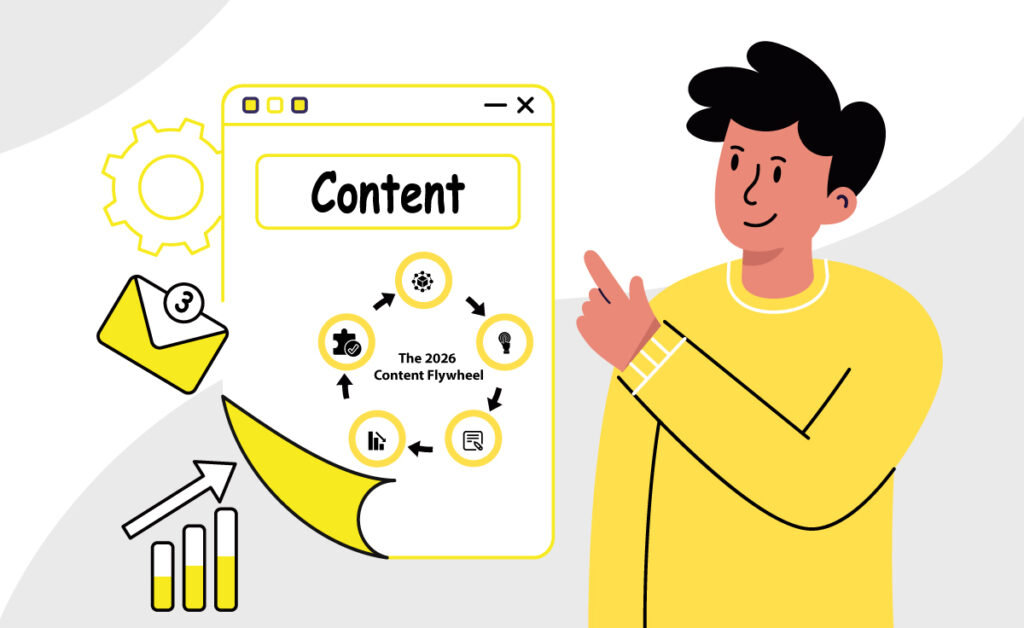
The Importance of Format
The format of your content plays a crucial role in how effectively it resonates with your audience. Different formats cater to varying preferences and consumption habits, making it essential to choose wisely. As we explore the three primary formats—carousels, blogs, and videos—let’s consider their unique characteristics and how they align with TOF objectives.
Carousels: Engaging Visual Storytelling
Carousels, particularly on platforms like Instagram and LinkedIn, have gained popularity for their ability to convey information in a visually appealing manner. These multi-image posts allow brands to tell a story, showcase products, or share tips in a digestible format.
Advantages of Carousels
- Visual Appeal: Carousels leverage eye-catching visuals to capture attention quickly. The combination of images and text can effectively convey complex ideas in a simplified manner.
- Increased Engagement: Users are more likely to interact with carousel posts, swiping through images and engaging with the content. This interaction can lead to higher engagement rates compared to static posts.
- Versatility: Carousels can be used for various purposes, including tutorials, product showcases, and storytelling. This versatility allows brands to tailor their content to specific audience needs.
Challenges of Carousels
- Limited Reach: While carousels can drive engagement, their reach may be limited compared to other formats. Algorithms on social media platforms often prioritize video content, which can overshadow carousel posts.
- Content Creation: Developing high-quality carousel content requires creativity and design skills. Brands may need to invest time and resources to create visually appealing carousels that stand out.
Blogs: In-Depth Information and SEO Benefits
Blogs have long been a staple of content marketing, providing a platform for brands to share valuable insights, tips, and industry knowledge. They serve as a powerful tool for establishing authority and driving organic traffic through search engine optimization (SEO).
Advantages of Blogs
- SEO Potential: Blogs can significantly enhance a brand’s visibility on search engines. By optimizing content with relevant keywords, businesses can attract organic traffic and improve their search rankings.
- In-Depth Exploration: Blogs allow for comprehensive exploration of topics, providing readers with valuable information. This depth can help establish trust and authority within the industry.
- Long-Lasting Content: Unlike social media posts that may quickly fade from visibility, blogs have a longer shelf life. Well-optimized blog posts can continue to attract traffic for months or even years.
Challenges of Blogs
- Time-Consuming: Creating high-quality blog content requires significant time and effort. Research, writing, and editing can be resource-intensive, especially for businesses with limited staff.
- Engagement Levels: While blogs can provide valuable information, they may not engage audiences as effectively as visual formats. Readers may skim through content rather than fully engaging with it.
Videos: Dynamic and Engaging Content
Video content has exploded in popularity, becoming a dominant force in digital marketing. Platforms like YouTube, TikTok, and Instagram Reels have transformed how brands connect with their audiences.
Advantages of Videos
- High Engagement Rates: Videos tend to generate higher engagement rates compared to other formats. The combination of visuals, sound, and storytelling captivates audiences and encourages sharing.
- Versatile Formats: Videos can take various forms, including tutorials, testimonials, and behind-the-scenes glimpses. This versatility allows brands to experiment with different styles to see what resonates best.
- Emotional Connection: Video content can evoke emotions and create a stronger connection with viewers. This emotional engagement can lead to increased brand loyalty and trust.
Challenges of Videos
- Production Costs: Creating high-quality video content can be expensive and time-consuming. Brands may need to invest in equipment, editing software, and skilled personnel.
- Platform Limitations: Different platforms have varying requirements for video length and format. Brands must adapt their content to fit these specifications, which can be challenging.
Comparing the Formats: A Decision Matrix
To help you navigate the decision-making process, we’ve created a content format decision matrix that outlines the strengths and weaknesses of carousels, blogs, and videos for TOF traffic.
| Format |
Strengths |
Weaknesses |
| Carousels |
– High engagement rates |
– Limited reach compared to videos |
|
– Visually appealing |
– Requires design skills |
|
– Versatile for storytelling |
|
| Blogs |
– Strong SEO potential |
– Time-consuming to create |
|
– In-depth information |
– May lack immediate engagement |
|
– Long-lasting content |
|
| Videos |
– High engagement and shareability |
– Production costs can be high |
|
– Emotional connection with viewers |
– Platform-specific limitations |
|
– Versatile formats |
|
Crafting a Full Funnel Content Mix
While each format has its strengths, a successful TOF content strategy often involves a combination of formats. By integrating carousels, blogs, and videos into your content marketing efforts, you can create a comprehensive approach that caters to diverse audience preferences.
Balancing the Formats
- Identify Audience Preferences: Conduct audience research to understand which formats resonate most with your target demographic. This insight will guide your content creation efforts.
- Repurpose Content: Maximize your content’s reach by repurposing it across different formats. For example, transform a blog post into a video or create a carousel summarizing key points.
- Monitor Performance: Regularly analyze the performance of each format to identify trends and adjust your strategy accordingly. Use analytics tools to track engagement, traffic, and conversion rates.
Conclusion: Choosing the Right Format for Your Brand
As we move into 2026, the debate over which content format reigns supreme for TOF traffic continues. Carousels, blogs, and videos each offer unique advantages that can enhance your content marketing strategy. Ultimately, the best approach is to adopt a full funnel content mix that leverages the strengths of each format while addressing the specific needs of your audience.
By understanding the nuances of carousels, blogs, and videos, you can create a dynamic TOF content strategy that not only captures attention but also fosters meaningful connections with your audience. Embrace the power of diverse content formats, and watch your brand thrive in the digital landscape.



April 23, 2024